Building Economic Opportunity, Safety and Environmental Responsibility Together
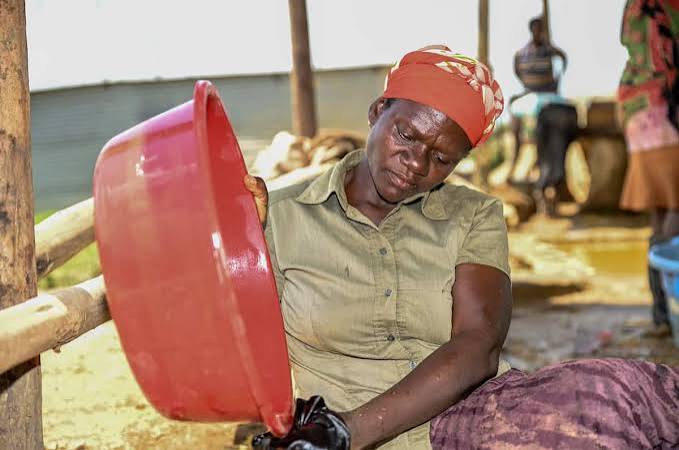
A woman working in an extractive economy is not defined by the challenges around her.
She may be a worker, entrepreneur, trader, innovator, household decision-maker or community leader. She may understand local markets, natural resources and economic realities in ways that outsiders do not.
Yet participation in an economy does not automatically mean equal access to opportunity.
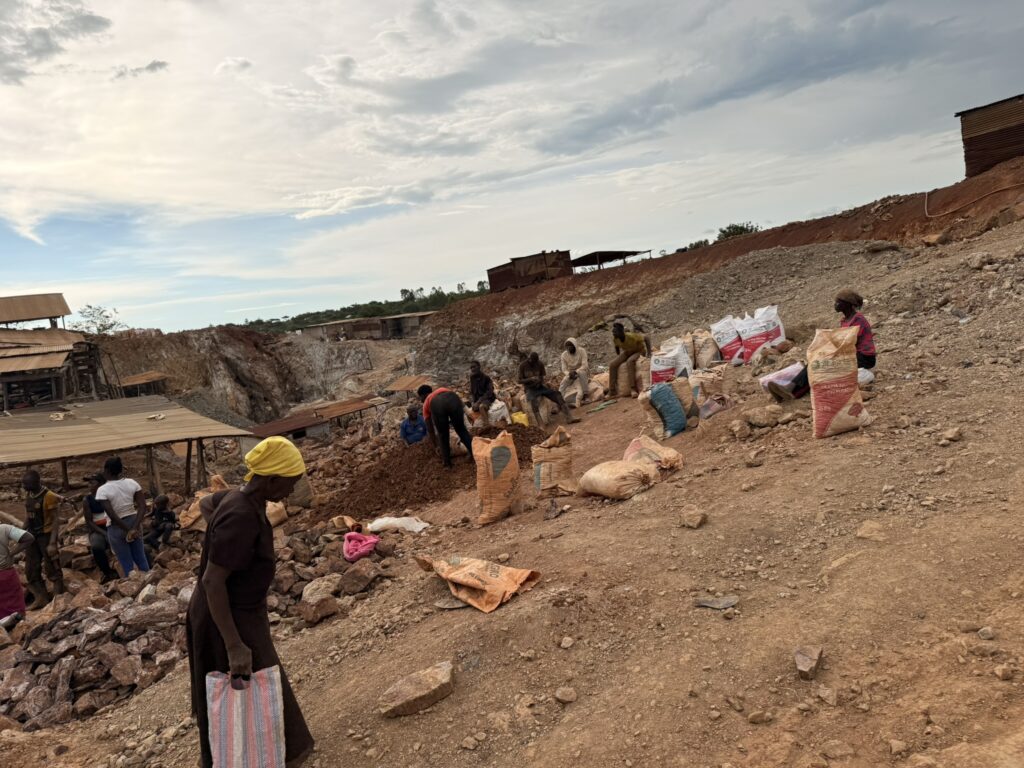
For women in mining in Kenya, important questions can arise around safer working conditions, appropriate protective equipment, financial inclusion, enterprise development, market access, leadership and sustainable resource management.
These issues are often discussed separately.
Safety becomes one conversation.
Women’s economic empowerment becomes another.
Environmental restoration becomes another.
Financial inclusion becomes another.
But for a woman building a livelihood within an extractive economy, these issues can intersect.
A safer livelihood can support economic resilience. Stronger enterprise capability can increase independence. Access to markets can make skills more useful. Environmental responsibility can create possibilities for more sustainable economic activity.
This is why MentorSpace’s Women in Extractives & Green Enterprise programme brings economic empowerment, occupational safety, enterprise development and environmental responsibility into one programme pathway.
The starting point is not that women lack potential.
The question is whether the systems, knowledge, connections and opportunities around them enable that potential to become stronger livelihoods and greater agency.
Women Are Economic Actors, Not Passive Beneficiaries
How we talk about women in development matters.
When stories focus only on hardship, women can easily be presented as people waiting to be rescued.
That framing misses something important.
Women participate in economies.
They make financial decisions.
They build businesses.
They contribute knowledge.
They support households.
They lead.
They innovate.
A stronger conversation about women in mining in Kenya therefore begins with agency.
This does not mean ignoring structural barriers or unsafe conditions. Development communication should be honest about challenges.
But acknowledging barriers is different from defining women by those barriers.
The objective should be to understand what can strengthen women’s ability to participate more safely, productively and independently.
That may involve knowledge.
It may involve enterprise support.
It may involve access to finance or markets.
It may involve leadership opportunities.
And it may involve better systems around occupational health, safety and environmental responsibility.
Safer Work Is Part of Economic Empowerment
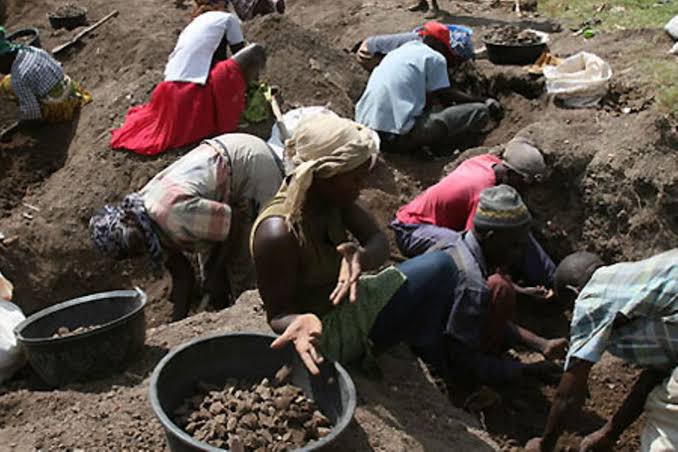
Economic empowerment cannot be separated entirely from the conditions under which people earn their livelihoods.
If economic participation exposes workers to avoidable risks, safety belongs in the development conversation.
For women in mining in Kenya, occupational health and safety is therefore not a side issue.
It is connected to dignity, wellbeing and sustainable livelihoods.
Awareness of risks, safer practices and appropriate Personal Protective Equipment can form part of building stronger working environments.
PPE Awareness Is More Than Knowing What Equipment Exists
Personal Protective Equipment, commonly known as PPE, can include equipment intended to reduce exposure to particular workplace hazards.
But simply knowing that PPE exists does not automatically create a safer workplace.
People also need to understand why specific protection may be necessary, how equipment should be used and the limitations of relying on protective equipment alone.
Safety also depends on wider practices and systems.
This is why MentorSpace includes occupational health and safety, PPE awareness and safer mining practices among the themes of its Women in Extractives & Green Enterprise programme.
The programme is designed to strengthen awareness and capability without claiming that training alone can eliminate occupational risk.
Economic Empowerment Requires More Than Income
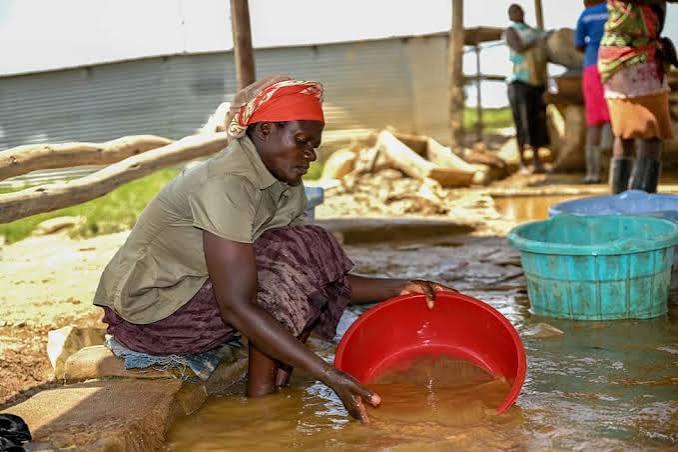
Income matters.
But women’s economic empowerment is broader than earning money.
A person may generate income while having limited control over financial decisions.
An entrepreneur may have a product but struggle to access markets.
A worker may participate economically but have limited opportunities to influence decisions affecting her livelihood.
A stronger approach to women in mining in Kenya therefore considers different dimensions of economic participation.
These can include financial capability, enterprise development, market access, leadership and economic independence.
The objective is not simply participation in an economic activity.
It is strengthening the conditions through which women can make informed decisions and pursue sustainable opportunities.
Enterprise Development Can Strengthen Economic Independence
Mining communities are economic ecosystems.
Economic activity does not stop at extraction.
There can be opportunities connected to services, trade, supply chains, restoration, agriculture, recycling and other enterprises depending on the local context.
For women, enterprise development can create additional pathways for economic participation.
But telling someone to “start a business” is not enterprise development.
A sustainable enterprise needs practical thinking.
From an Idea to a Viable Enterprise
An entrepreneur needs to ask:
What problem am I solving?
Who needs the product or service?
What does it cost to provide?
How should it be priced?
Who are the customers?
How will the enterprise reach them?
What records need to be kept?
How can risks be managed?
Enterprise capability can therefore include financial knowledge, market understanding, planning, customer awareness and problem-solving.
For women in mining in Kenya, these capabilities can matter both within extractive value chains and in opportunities beyond extraction.
Financial Inclusion Can Expand Choice
An enterprise cannot operate effectively without financial decisions.
Money must be managed.
Costs need to be understood.
Investment choices need to be considered.
Savings can matter.
Access to appropriate financial services can matter.
Financial inclusion is therefore not simply about whether someone has access to a financial product.
It is also about whether people have the knowledge, confidence and opportunities to use financial tools in ways that support their goals.
For women building enterprises or livelihoods, stronger financial capability can support better decision-making.
This is why financial inclusion and capability form part of MentorSpace’s programme approach to women in mining in Kenya and extractive communities more broadly.
Market Access Matters Because Skills Need Opportunity
Training someone to produce a product is only part of an enterprise pathway.
Someone also needs a customer.
A woman may have practical skills and a viable product but struggle to identify buyers, understand market expectations or establish useful business relationships.
This creates a familiar development gap:
Capability without connection.
Market access can help bridge that gap.
Connections with customers, suppliers, institutions and business networks can expand the possibilities available to entrepreneurs.
That reflects MentorSpace’s broader programme logic:
LISTEN → EQUIP → CONNECT → MEASURE & LEARN → SUSTAIN
Skills matter.
Connections help make those skills economically useful.
Women’s Leadership Belongs in the Conversation
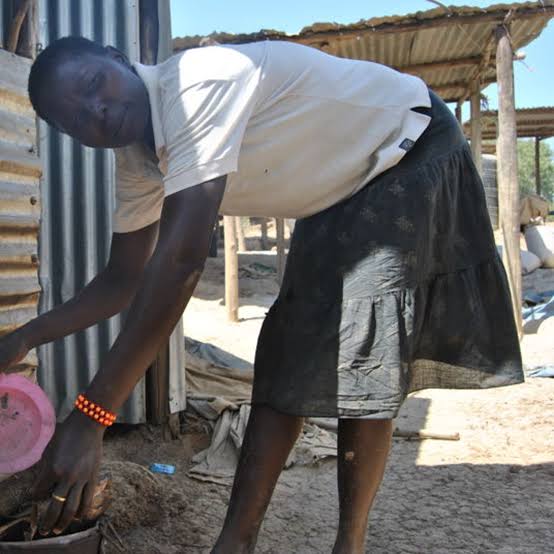
Economic participation and decision-making should not be treated as separate worlds.
Women can bring valuable knowledge to conversations about livelihoods, enterprise, natural resources, safety and environmental priorities.
Leadership does not only mean holding a formal title.
It can mean having confidence to contribute to decisions.
It can mean organising with others.
It can mean advocating for safer practices.
It can mean leading an enterprise.
It can mean sharing knowledge.
It can mean helping shape community priorities.
A stronger future for women in mining in Kenya should therefore include opportunities for women to participate not only as workers but also as leaders and decision-makers.
Why Green Enterprise Matters in Extractive Communities
Mining and natural-resource use create environmental questions.
What happens to land?
How are resources managed?
What opportunities exist for restoration?
Can livelihoods be diversified?
How can economic activity become more environmentally responsible?
These questions make green enterprise relevant to extractive communities.
Green enterprise can broadly involve economic activities that seek to create value while responding to environmental priorities.
Depending on local circumstances, opportunities may relate to restoration, resource efficiency, recycling, sustainable production or other environmentally responsible activities.
For women in mining in Kenya, the green economy conversation should not treat environmental action solely as an obligation.
Where viable opportunities exist, environmental responsibility can also become part of livelihood and enterprise thinking.
Environmental Restoration Can Have Economic Significance
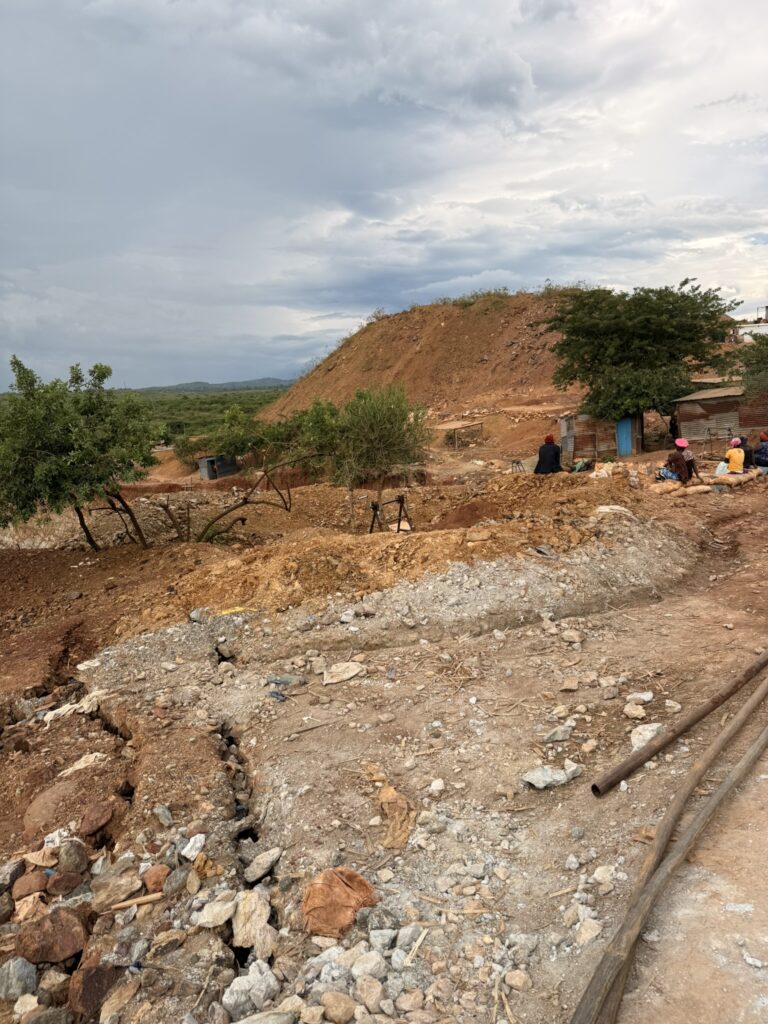
Environmental restoration is sometimes discussed as something that happens after economic activity ends.
But restoration can also be considered within broader conversations about community resilience, land use and sustainable livelihoods.
The important point is not to assume that every restoration activity automatically creates income.
It is to explore where environmental priorities and viable economic opportunities genuinely intersect.
MentorSpace’s Women in Extractives & Green Enterprise programme therefore connects environmental restoration and responsible resource management with its wider focus on livelihoods and enterprise.
The intention is to encourage a more integrated view of development.
MentorSpace’s Women in Extractives & Green Enterprise Approach
MentorSpace’s programme is designed around interconnected areas rather than a single intervention.
These include women’s economic empowerment, enterprise development, financial inclusion, occupational health and safety, PPE awareness, safer mining practices, leadership, market access, green enterprise, environmental restoration and responsible natural-resource management.
The approach does not assume that one training session will transform someone’s livelihood.
Instead, it reflects the wider MentorSpace pathway:
Listen
Understand women’s priorities, barriers, aspirations and lived realities.
Equip
Strengthen relevant knowledge, skills, mentorship and practical capabilities.
Connect
Help create pathways toward markets, finance, institutions, networks and opportunities where appropriate.
Measure & Learn
Track activities and outcomes, gather feedback and improve programme design based on evidence.
Sustain
Work toward stronger local ownership, enterprise, resilience and approaches that can continue creating value over time.
This framework can help create a more grounded approach to supporting women in mining in Kenya.
Measuring Transformation, Not Just Participation
A training room can be full and still leave important questions unanswered.
How many women attended?
That is useful information.
But what did participants learn?
Did knowledge improve?
Were safer practices understood or adopted?
Did enterprise capability strengthen?
Were useful market connections created?
Did participants gain greater confidence in financial decision-making?
These are questions about outcomes.
MentorSpace’s impact philosophy is:
Measure transformation, not just participation.
The organisation is strengthening its Monitoring, Evaluation & Learning systems around indicators, outputs, outcomes, feedback, accountability, reporting and continuous improvement.
This matters because responsible development should not turn intended outcomes into claimed achievements.
When evidence is unavailable, the appropriate language is that a programme aims to, is designed to, or is working toward particular outcomes.
Credibility matters more than impressive claims.
Partnership Can Strengthen the Pathway

The challenges surrounding extractive economies cannot be addressed by one organisation.
Safer work, stronger enterprise, financial inclusion, environmental responsibility and market access can involve many actors.
Communities bring lived knowledge and local understanding.
Women themselves bring experience, capability and ideas.
Businesses may contribute technical expertise, markets or supply-chain knowledge.
Financial institutions can contribute relevant financial expertise and services.
Researchers and universities can contribute evidence.
Development partners can contribute resources and technical knowledge.
Environmental specialists can contribute restoration expertise.
Partnership becomes meaningful when these strengths complement rather than replace community agency.
For MentorSpace, that creates an important opportunity to build collaborations around women in mining in Kenya that recognise women as partners in change.
Conclusion: Safer Livelihoods, Stronger Enterprises, Greater Agency
The future of women’s participation in extractive economies should not be reduced to one question.
It is not only about how many women participate.
It is also about how they participate.
Can livelihoods become safer?
Can women strengthen enterprises?
Can financial capability expand choice?
Can markets become more accessible?
Can women have stronger voices in decisions?
Can environmental responsibility create new possibilities rather than simply new burdens?
These questions point toward a more integrated approach to women in mining in Kenya.
Safety matters.
Enterprise matters.
Financial inclusion matters.
Leadership matters.
Environmental responsibility matters.
And women’s agency must remain at the centre.
MentorSpace’s Women in Extractives & Green Enterprise programme is designed to help connect these areas while learning from communities and strengthening evidence about what works.
Women already have potential, experience and knowledge.
The opportunity is to build stronger pathways around them.
Explore Women in Extractives & Green Enterprise:
https://mentorspacekenya.org/women-in-extractives-green-enterprise/
Frequently Asked Questions
1. What roles do women in mining in Kenya play?
Women connected to mining and extractive economies can participate as workers, entrepreneurs, traders, service providers, community leaders and other economic actors. Their roles vary significantly depending on the community and type of extractive activity.
2. Why is occupational safety important for women in mining?
Mining and extractive work can involve occupational hazards. Appropriate safety knowledge, safer practices and relevant protective measures are therefore important considerations for anyone working in these environments, including women.
3. What is PPE in mining?
PPE stands for Personal Protective Equipment. It refers to equipment designed to help reduce exposure to particular workplace hazards. Appropriate PPE depends on the specific task and risks involved and should form part of a wider occupational safety approach.
4. Why is enterprise development important for women in mining in Kenya?
Enterprise development can strengthen women’s ability to identify opportunities, understand markets, manage finances and develop viable businesses. Opportunities may exist within extractive value chains or in other sectors depending on local conditions.
5. What does financial inclusion mean for women in extractive communities?
Financial inclusion can involve access to useful financial services alongside the knowledge and capability needed to make informed financial decisions. For entrepreneurs, this may connect with saving, managing costs, record-keeping and investment decisions.
6. What is green enterprise?
Green enterprise generally refers to economic activity that creates value while responding to environmental priorities. Opportunities vary by location and may involve areas such as resource efficiency, restoration, recycling or sustainable production.
7. How are mining and environmental restoration connected?
Extractive activities can affect land and natural resources. Environmental restoration focuses on addressing environmental degradation and supporting healthier ecosystems. The appropriate restoration approach depends on the local environmental context.
8. Why does women’s leadership matter in extractive communities?
Women can contribute valuable experience and knowledge to decisions about livelihoods, enterprise, safety, natural resources and community priorities. Leadership opportunities can help strengthen women’s participation in decisions that affect their economic and community lives.
9. What is MentorSpace’s Women in Extractives & Green Enterprise programme?
It is a MentorSpace programme focused on themes including women’s economic empowerment, enterprise development, financial inclusion, occupational safety, PPE awareness, women’s leadership, market access, green enterprise, environmental restoration and responsible resource management.
10. How can organisations support work with women in mining in Kenya through MentorSpace?
Businesses, development partners, technical experts, researchers and institutions interested in women’s economic participation, safer livelihoods, enterprise or environmental responsibility can explore collaboration with MentorSpace.
Explore the programme:
https://mentorspacekenya.org/women-in-extractives-green-enterprise/