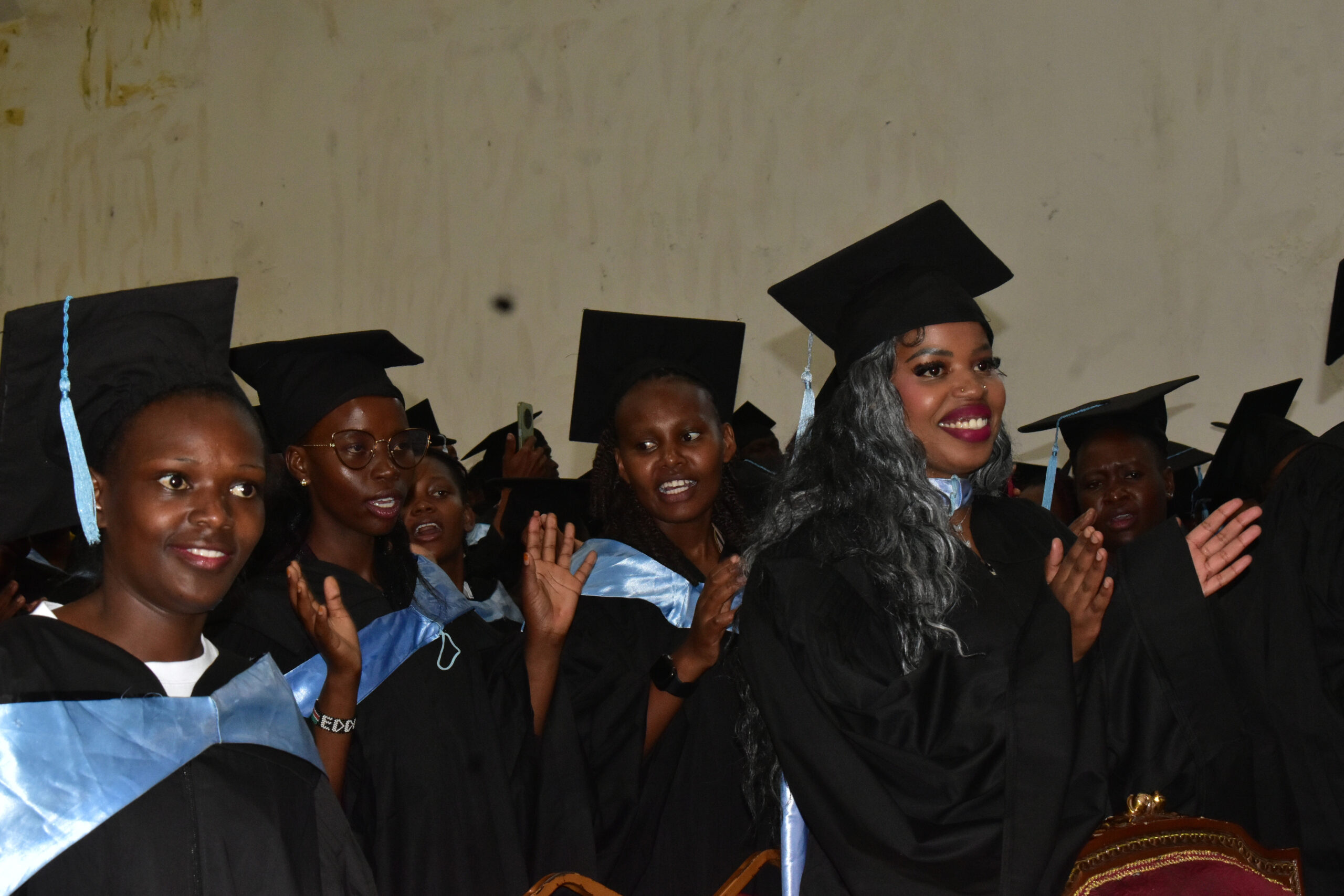
Turning Youth Potential into Capability, Connections and Opportunity
A certificate can open a door.
But what happens when there is no clear door to open?
For many young people, completing education or training is only one part of preparing for economic life. Navigating work, entrepreneurship and an increasingly digital economy can also require communication, problem-solving, financial capability, digital confidence, professional networks and the ability to adapt.
That is why conversations about employability skills for youth in Kenya need to go beyond qualifications alone.
The question is not whether young Kenyans have potential.
They do.

The more useful question is whether young people have sufficient opportunities to translate that potential into capabilities, connections and meaningful economic participation.
A young person may know how to use technology but lack professional networks. Another may have a promising business idea but limited financial capability. Someone else may hold academic qualifications but have had few opportunities to develop workplace communication or practical problem-solving skills.
These are different barriers, and they cannot all be addressed by a certificate.
MentorSpace’s YouthSphere™ programme is built around a simple pathway:
Potential → Capability → Connections → Opportunity
It reflects a broader understanding of youth development: preparing young people for a changing economy requires more than teaching isolated skills. It requires helping create pathways through which those skills can be applied.
Why Employability Is Bigger Than Getting a Job
Employability and employment are related, but they are not identical.
Employment describes having work.
Employability is broader. It includes the capabilities that can help someone identify, pursue, secure and navigate opportunities across changing circumstances.
This distinction matters when discussing employability skills for youth in Kenya.
Young people’s economic futures will not necessarily follow one predictable route from school to a single employer and then through one lifelong career.
Some may enter formal employment.
Others may build businesses.
Some may combine employment with freelance or entrepreneurial work.
Others may move between industries as technologies and economic conditions change.
Preparing young people therefore means developing capabilities that remain useful even when a particular job changes.
Employability Is a Combination of Capabilities
Technical knowledge matters, but employers and entrepreneurs also operate through people, decisions and relationships.
A young person may therefore benefit from combining technical capability with:
- Communication
- Problem-solving
- Digital skills
- Financial capability
- Leadership
- Critical thinking
- Entrepreneurship
- Adaptability
- Professional networks
- Responsible technology use
The goal is not to create a checklist every young person must complete.
It is to recognise that economic participation increasingly depends on combinations of capabilities.
Why Practical Skills Matter
Knowing something and being able to use it are different things.
Someone may understand the theory behind writing a CV but struggle to explain their strengths in an interview.
A person may know basic business concepts but struggle to calculate costs or communicate with customers.
A young person may use digital platforms every day but not yet know how to apply digital tools productively in work or enterprise.
This is why developing employability skills for youth in Kenya should include opportunities for application.
Young people need spaces where they can practise.
They need opportunities to solve problems, communicate ideas, receive feedback, collaborate and learn from mistakes.
Practical capability develops through doing, not simply listening.
Digital Skills Are Becoming Part of Career Readiness
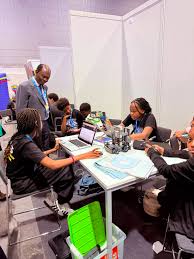
Technology is increasingly woven into how people learn, communicate, operate businesses and access opportunities.
Digital capability therefore should not be treated as relevant only to young people pursuing technology careers.
An entrepreneur may use digital tools to communicate with customers.
An employee may need online collaboration tools.
A freelancer may depend on digital platforms to reach clients.
A community leader may use technology to organise information and communicate.
Developing employability skills for youth in Kenya should therefore include meaningful digital capability rather than assuming that familiarity with smartphones automatically equals workplace digital readiness.
Digital Confidence Should Lead to Productive Use
There is a difference between consuming technology and using it productively.
Young people can benefit from understanding how digital tools can support research, communication, creativity, entrepreneurship, problem-solving and professional development.
The goal should not be technology for technology’s sake.
Technology becomes valuable when it expands what people can do.
AI Literacy Is Becoming Part of the Conversation
Artificial intelligence adds another layer.
AI tools can assist with research, brainstorming, analysis, communication, creativity and productivity.
But knowing that AI exists is not enough.
Young people also need to understand its limitations.
They need critical thinking.
They need to recognise that AI-generated information can be wrong.
They need to think about privacy, responsible use and ethical decisions.
They also need to understand where human judgement, creativity, communication and contextual knowledge remain essential.
For MentorSpace, AI literacy is therefore part of the wider conversation about employability skills for youth in Kenya, not a replacement for human capability.
Responsible AI Matters

Teaching young people how to generate answers with AI is easy.
Teaching them how to question those answers is more important.
Responsible AI literacy should encourage young people to ask:
Is this information accurate?
What should I verify?
What information should I avoid sharing?
Am I using this tool ethically?
Where is human judgement required?
How can technology complement rather than replace my own thinking?
These questions can help young people become thoughtful users of technology rather than passive consumers of it.
Entrepreneurship Is Also a Pathway to Opportunity
Employability discussions can become too narrowly focused on preparing people to become employees.
Employment matters, but entrepreneurship is also part of the picture.
Young people can create products, services and enterprises that respond to real needs.
However, entrepreneurship requires more than telling someone to “start a business.”
A promising idea still needs practical thinking.
What problem does the enterprise solve?
Who is the customer?
What does it cost to deliver?
How should money be managed?
How will customers discover the product or service?
Can the business adapt?
Developing entrepreneurship alongside employability skills for youth in Kenya helps broaden the conversation from finding opportunities to potentially creating them.
Financial Capability Supports Better Decisions
Money touches both employment and entrepreneurship.
A young person receiving their first income faces decisions about budgeting, saving and financial priorities.
An entrepreneur needs to understand costs, pricing, cash flow and financial records.
Financial capability therefore connects directly with economic participation.
It is not simply about knowing financial terminology.
It is about being better equipped to make practical decisions.
That is why financial capability forms part of MentorSpace’s YouthSphere™ approach alongside employability, entrepreneurship and career readiness.
Human Skills Still Matter in a Digital Economy
Technology may change how work is performed, but work still involves human relationships.
People need to communicate.
Teams need to collaborate.
Customers need to be understood.
Problems require judgement.
Leaders need to listen.
Entrepreneurs need to persuade.
This makes human capabilities an important part of employability skills for youth in Kenya.
Communication, critical thinking, creativity, leadership and problem-solving can complement digital and technical capabilities.
The future of work is not simply a competition between humans and machines.
A more useful question is how people can use technology while strengthening the distinctly human capabilities that help them create value.
Networks Can Influence Access to Opportunity

Skills matter.
But sometimes opportunity travels through relationships.
A mentor can provide perspective.
A professional contact can introduce someone to an industry.
A peer can share information about an opportunity.
An entrepreneur can meet a potential customer or collaborator.
This is why networks should be part of conversations about youth employability.
A young person may be capable but disconnected.
Building employability skills for youth in Kenya therefore cannot focus exclusively on what an individual knows. Attention should also be given to the connections that help people navigate opportunities.
Mentorship Can Help Young People Navigate Choices
Mentorship does not mean making decisions for young people.
Good mentorship can provide a space for questions, reflection and learning.
A mentor may help a young person think through a career decision, understand workplace expectations or learn from experience.
The young person remains the decision-maker.
Mentorship strengthens the pathway rather than taking ownership of the journey.
Green Skills and Climate Action Belong in Future-of-Work Conversations
The future of work is also connected to environmental change.
As economies respond to climate pressures and environmental priorities, young people may encounter opportunities requiring greater understanding of sustainability, environmental responsibility and green enterprise.
This does not mean every young person needs to become an environmental specialist.
It means environmental awareness and green skills can form part of broader future-readiness.
YouthSphere™ therefore includes green skills and climate action within its approach to youth capability.
For employability skills for youth in Kenya, preparing for economic change also means recognising that environmental and economic questions increasingly intersect.
YouthSphere™: From Potential to Opportunity
YouthSphere™ brings these different pieces together.
MentorSpace designed the programme around areas including:
Employability. Entrepreneurship. Leadership. Digital skills. AI literacy. Responsible AI. Innovation. Career readiness. Financial capability. Problem-solving. Green skills. Climate action. Mentorship. Professional networks.
The goal is not to claim that one programme can remove every barrier young people face.
Nor should training automatically be presented as employment creation.
YouthSphere™ instead aims to strengthen capabilities and pathways that can help young people navigate employment, entrepreneurship, technology and community participation.
Its underlying idea remains:
Potential → Capability → Connections → Opportunity
Measuring More Than Attendance
If young people participate in a training programme, attendance tells us something.
It tells us who participated.
But it does not tell us everything we need to know.
Did participants develop stronger knowledge?
Can they demonstrate new capabilities?
Are they applying what they learned?
Have they strengthened their career readiness?
These are different questions.
MentorSpace’s wider impact philosophy is:
Measure transformation, not just participation.
As MentorSpace strengthens its Monitoring, Evaluation & Learning systems, the aim is to distinguish clearly between activities, outputs and outcomes rather than assuming participation automatically equals impact.
This approach is particularly important when working on employability skills for youth in Kenya, because the ultimate question is not how many people sat in a training room.
It is whether programmes are contributing to meaningful capability and stronger pathways to opportunity.
Conclusion: Young People Have Potential. The Pathways Matter.
Kenya’s young people do not need to be told endlessly that they are “the leaders of tomorrow.”
They are contributing today.
They are creating, working, learning, experimenting, solving problems and building ideas.
The challenge is ensuring that more young people can connect their potential with the capabilities and opportunities required to move forward.
That is why employability skills for youth in Kenya should go beyond certificates.
Digital skills matter.
AI literacy matters.
Communication matters.
Entrepreneurship matters.
Financial capability matters.
Human skills matter.
Networks matter.
Mentorship matters.
And opportunities to apply these capabilities matter.
No single training programme can guarantee someone’s economic future.
But stronger capabilities, connections and pathways can help young people navigate that future with greater confidence and preparedness.
That is the thinking behind YouthSphere™.
Explore YouthSphere™:
https://mentorspacekenya.org/youthsphere/
Frequently Asked Questions
1. What are employability skills for youth in Kenya?
Employability skills are capabilities that can help young people prepare for, identify and navigate employment and other economic opportunities. They can include communication, digital skills, problem-solving, financial capability, leadership, adaptability and career-readiness skills.
2. Why are employability skills important for young people?
Qualifications provide important knowledge, but young people may also need practical capabilities to communicate, solve problems, use technology, work with others and navigate opportunities. Employability skills complement rather than replace education.
3. What is the difference between employability and employment?
Employment means having work. Employability refers more broadly to capabilities that can help someone pursue and navigate work and economic opportunities. Developing employability does not guarantee employment.
4. Are digital skills part of employability skills for youth in Kenya?
Yes. Digital tools increasingly support communication, learning, entrepreneurship and many forms of work. Digital capability can therefore be an important part of career readiness, depending on the opportunity being pursued.
5. Why should young people learn about artificial intelligence?
AI is increasingly being used for tasks such as research, communication, creativity and productivity. AI literacy can help young people understand how to use these tools productively while recognising limitations and the need for critical thinking.
6. What does responsible AI use mean?
Responsible AI use includes verifying information, understanding that AI can make mistakes, considering privacy and ethics, and recognising situations where human judgement is necessary.
7. Is entrepreneurship an employability skill?
Entrepreneurship is a broader capability and potential economic pathway. Entrepreneurial thinking can involve identifying problems, developing solutions, understanding customers, managing resources and adapting ideas—all of which can also strengthen wider career readiness.
8. Why are mentorship and networks important for youth employability?
Skills can be strengthened by access to people and networks that provide knowledge, perspective and information about opportunities. Mentorship can help young people think through decisions while professional networks can expand exposure to industries and possibilities.
9. What is YouthSphere™?
YouthSphere™ is MentorSpace’s programme designed around employability, entrepreneurship, leadership, digital skills, AI literacy, financial capability, innovation, career readiness, green skills, mentorship and pathways to opportunity.
10. How can I support YouthSphere™?
Organisations, businesses, institutions, professionals and technical experts interested in strengthening youth capability can explore opportunities to collaborate with MentorSpace.
Explore YouthSphere™:
https://mentorspacekenya.org/youthsphere/